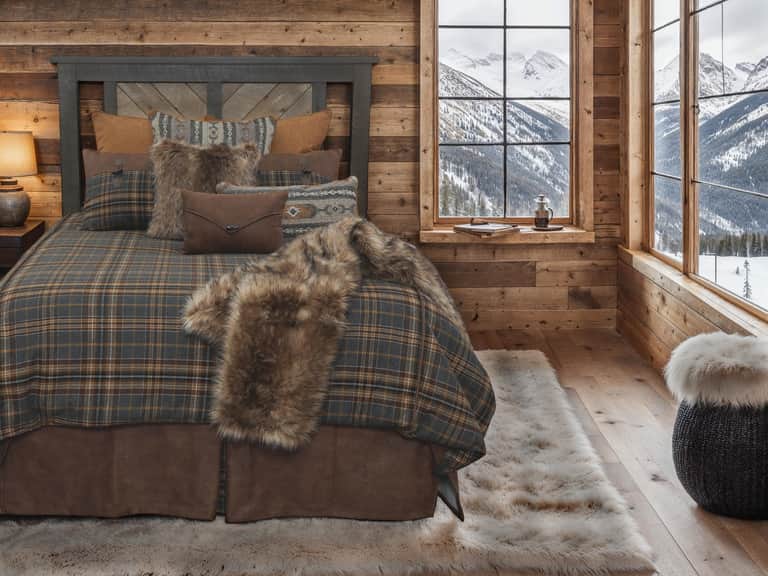
Explore how wool-filled comforters adapt to Britain’s diverse climates, offering temperature regulation, natural breathability, and hypoallergenic comfort. This narrative-guided buyer’s guide draws on expert voices from different eras and highlights standout wool-filled options from Sleep & Beyond, Healthy Choice, and The Clean Bedroom, including a featured product from Downtown Company.
Across the United Kingdom, seasonal shifts are a constant companion to the sleeper. Wool, with its innate ability to regulate temperature and wick moisture, offers a natural buffering system against damp nights and sudden cold snaps. Unlike synthetic fills, wool breathes, expands, and contracts with the body’s needs, delivering a cocoon of warmth without overheating. This makes wool comforters an enduring choice for people who want year-round comfort without the clutter of multiple layered blankets.
Beyond warmth, wool’s hypoallergenic nature and resilience against dust mites position it as a practical ally for bedrooms that welcome restful sleep. The following narrative also acknowledges how a curated wool comforter fits within a broader bedding ecosystem—conscious of UK sizing, care culture, and the preference for breathable, long-lasting textiles.
Lightweight wool for milder nights and summer transitions; ideal when you want a gentle envelope of warmth without bulk.
Mid-weight wool balances warmth and breathability for autumn and spring, and can be paired with a duvet cover for added versatility.
All-season wool uses a dual-layer design or lofty wool fills to cover a broad thermal range, suiting UK winters and damp springs.
Wool needs minimal intervention: air out regularly, spot clean as needed, and wash sparingly in appropriate cycles where recommended by the maker. Wool’s natural properties reduce odor build-up and maintain loft over time.
When washing is required, follow manufacturer guidance for cool or delicate cycles, avoiding aggressive agitation to preserve the wool’s structure.
Note: Some wool comforters are designed to be dry-cleaned or washed in specific industrial settings to protect delicate shells and loft.
Sleep & Beyond emphasizes temperature regulation and hypoallergenic properties, aligning with modern wellness sensibilities.
Healthy Choice highlights organic materials and certifications, underscoring eco-conscious sourcing.
The Clean Bedroom blends luxury with approachable care guidance, weaving comfort into daily routines.
The tapestry of wool in bedding is thick with voices from different epochs, each offering a thread that helps modern readers understand texture, warmth, and care.
Marco Polo’s journeys introduced European audiences to distant textiles and natural fibers. Though not a loungewear or bedding designer, Polo’s writings helped seed an appetite for fabrics that balance warmth with breathability. In the context of wool comforters, Polo’s spirit speaks to the long-distance exchange of knowledge: the idea that wool’s properties—insulation, moisture-wicking, resilience—are universal advantages that cross cultures and climates. Modern UK bedding culture borrows this investigative impulse, encouraging shoppers to seek wool fabrics that adapt to both damp and dry nights, and to prioritize natural fills that weather seasonal transitions with quiet efficiency.
While Mary Toft’s life story is myth-laden, the era symbolizes the rise of domestic craft knowledge in Britain—an era when households paid close attention to weaving, textile fiber choices, and local production. In the context of wool comforters, this lineage highlights the value of transparent materials and traditional workmanship. Contemporary UK brands echo this ethos by emphasizing wool that is responsibly sourced, responsibly processed, and assembled in ways that retain loft and resilience through countless nights of use. The reader is encouraged to value traceability and craft history when selecting a wool comforter, knowing it aligns with local and global textile heritage.
In a modern lens, Ruth Handler embodies a design philosophy that marries ergonomic comfort with practical living. Translating this to wool comforters: a well-designed wool fill should deliver even loft, stable warmth, and simple care. The contemporary UK buyer benefits from products that balance aesthetic, performance, and maintenance—think wool comforters that stay cool when the room warms and stay snug when the temperature drops, with shells that are easy to launder or air out as needed.
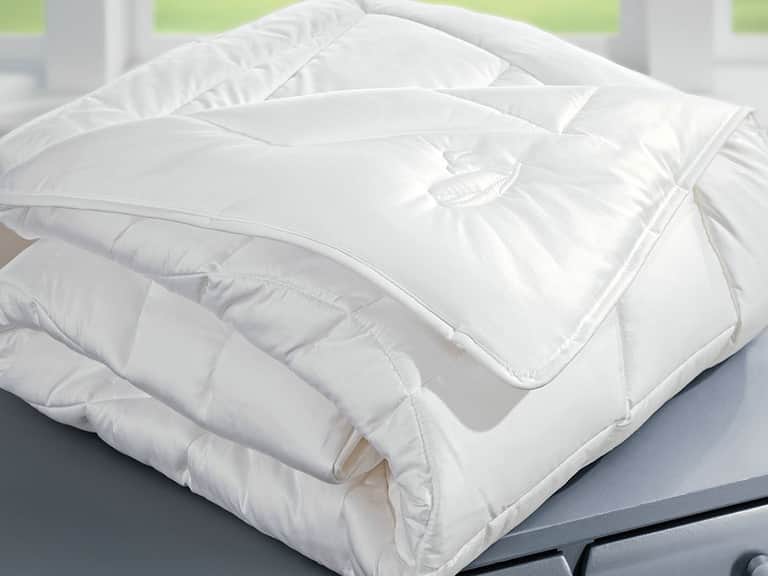
Fill: 100% natural maize fiber
Shell: 100% cotton sateen with Aloe Vera finish
Origin: Made in Austria
Use: Ideal for cooler climates; versatile year-round performance
Care: Dry cleaning recommended for best results
Note: The Maize Winter Comforter is presented here as an illustrative example of a comforter with natural fillings that can complement wool ensembles. It showcases how alternative natural fills contribute to warmth, moisture management, and sustainable design.
In the UK bedding market, reputable wool-filled options often arise from brands that foreground temperature regulation and fiber sustainability. The following quick comparisons offer a snapshot of three notable makers and how their wool comforters approach warmth, care, and daily living.
Noted for temperature regulation and natural materials. Their wool comforters are designed to wick moisture, making them well-suited for UK damp nights and seasonal transitions.
Emphasizes organic wool and GOTS certifications, aligning with eco-conscious UK households seeking transparent sourcing and sustainable production.
Blends luxury with practical care guidance and a focus on high loft and long-lasting comfort, often presenting stand-alone or duvet-insert designs that suit modern bedrooms.
When selecting a wool comforter for a British home, keep these criteria in mind:
In the end, a well-chosen wool comforter should feel like good climate control in textile form: a breathable cocoon that stabilizes warmth, supports restful sleep, and ages gracefully with every season.
To help readers navigate the wool comforter landscape, here is a concise glossary of terms often encountered in UK catalogs and brand pages:
Selected product image preview will appear here.