Bedding • Materials and care
Coyuchi Organic Cotton Blankets: Weave, Weight and Everyday Care
A blanket can be a cool summer layer, an extra fold of warmth at the foot of the bed or the familiar textile that makes a room feel settled. With organic cotton bedding, the fibre is only part of the story. Weave, weight, finish and care all shape how a blanket feels and performs over time.
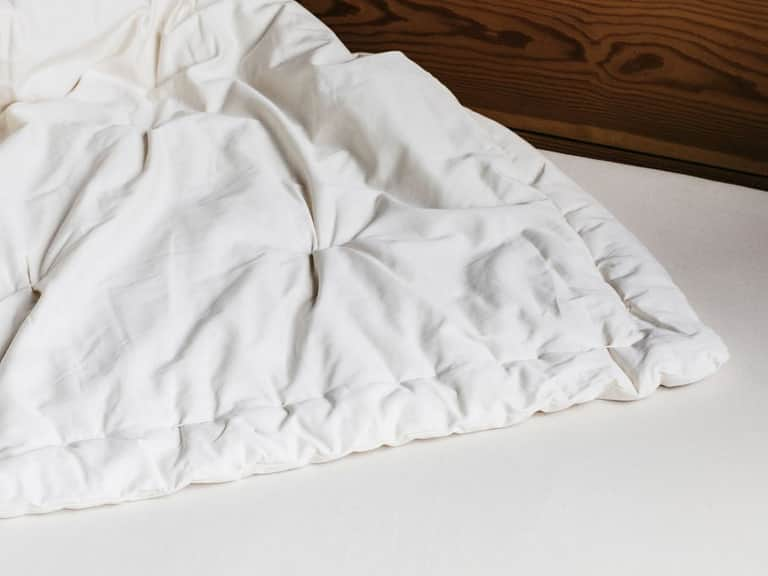
On a quiet morning, a blanket’s qualities are easy to notice: the way it falls over a mattress edge, the slight texture beneath a hand, the air that moves through its cloth. These details are not simply decorative. They come from the way yarns cross, the density of the fabric and the amount of material in the finished layer. When considering Coyuchi organic cotton blankets—or any cotton blanket—looking closely at those features offers a more useful guide than fibre labels alone.
Organic cotton can be woven into fabrics that feel crisp, supple, open, substantial or softly textured. A blanket that looks light may still have a firm hand; a heavier one may feel breathable if its weave leaves room for air to circulate. Understanding these differences helps you choose a layer for the room, season and routine you actually have, then care for it in a way that protects its shape and feel.
Start with the job the blanket needs to do
Before comparing patterns or finishes, consider where the blanket will live. A layer used directly against the skin may need to feel smooth and comfortable through the night. A decorative coverlet can prioritise texture and structure, while a sofa throw may need to stand up to frequent folding and use. One blanket might do several of these jobs, but deciding on its main purpose makes the trade-offs easier to see.
Think about your bedroom’s temperature, your preferred sleep warmth and the other bedding already on the bed. In a well-heated room, a light blanket can be enough over a sheet. In a cooler home, it may work as one layer beneath a duvet, adding a little warmth without requiring a much heavier top layer. In warmer months, a breathable cotton blanket can replace a duvet for sleepers who want a covering but not much insulation.
- For flexible layering: look for a lighter fabric that folds easily and does not feel bulky beneath other bedding.
- For a bed-top layer: consider how the blanket drapes, its dimensions and whether its texture suits the rest of the room.
- For frequent everyday use: check the care label and choose a construction you can maintain with your available laundry facilities.
- For warmth: compare the blanket’s weight and weave with your room conditions, rather than assuming that cotton alone determines how warm it will feel.
A blanket is not a complete temperature-control system. The sheet, duvet, mattress, room and personal preference all contribute to the sleep environment. A useful choice is the one that works with those surroundings, not necessarily the one described with the most elaborate material language.
How weave changes the feel
Weave is the arrangement of yarns that forms a fabric. Even when two blankets use the same fibre, different weaving and finishing methods can produce noticeably different surfaces. The structure influences texture, flexibility, airflow and how the cloth settles across a bed. It also affects how a blanket responds to washing and regular use.
Plain and closely woven cloth
A simple, relatively close weave often creates a smooth, even surface. Depending on yarn thickness and fabric density, it may feel crisp at first and soften with use. Such a blanket can work well as a straightforward bed layer, particularly when a calm, uncluttered finish is wanted. A tighter construction may feel more substantial than a loose weave of similar size, though the actual warmth still depends on the fabric’s weight and the number of layers used.
Textured and patterned construction
Waffle, matelassé and other raised constructions create texture through the way the fabric is woven or stitched. The surface can catch the light and add visual depth without relying on a printed design. Some textured fabrics feel springy or sculpted; others have a relaxed, softly rumpled character. Texture can also change how a blanket folds and how it sits on top of the bed.
A raised pattern does not automatically mean that a blanket is warmer. The effect depends on the construction and overall fabric weight. Texture may create a little more depth between cloth and skin, but it is best to treat the blanket as a particular combination of structure and weight—not as a guarantee of insulation.
Open, airy weaves
A more open construction can allow air to move through the textile and may give the blanket a lighter, more flexible feel. It can be useful in a warm room or as a layer that is easy to add and remove. The trade-off is that an open fabric may snag more readily than a dense one, depending on its yarns and finish. Careful handling and avoiding sharp jewellery or rough surfaces can help preserve the fabric.
Quilting and stitched designs
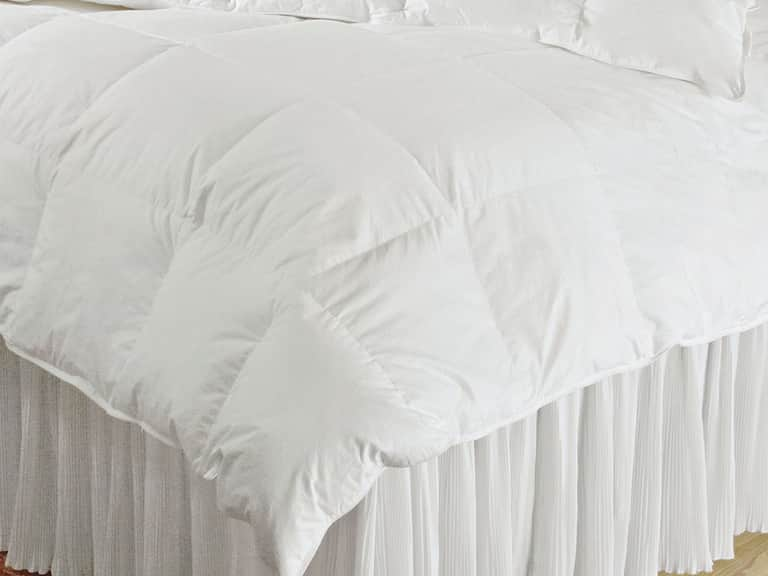
A quilted blanket uses stitching to hold its layers or batting in place. The stitch pattern can create a regular, decorative surface and help limit movement within the construction. Quilted cotton layers may feel more padded than a single woven cloth, so they can serve a different role in a bedding system. When assessing one, check whether it is intended as a blanket, coverlet or duvet insert; those terms describe different uses and are not always interchangeable.
Product descriptions can use terms such as “woven,” “quilted,” “textured” and “stonewashed” in overlapping ways. Look for construction details rather than relying on a single adjective. If the description does not explain the weave, ask about the fabric’s composition, weight, dimensions and care instructions before deciding whether it suits your needs.
Weight, drape and warmth are related—but not identical
The weight of a blanket tells you something about its substance, but not everything about how warm it will feel. A dense blanket may feel weighty and close against the body. A more open or textured blanket may have a different balance of coverage and airflow. The room’s temperature, the other layers on the bed and how much warmth you prefer all affect the result.
“Drape” describes how fabric falls. A supple blanket tends to follow the shape of the mattress and hang softly over its sides. A firmer or more structured one may hold a sharper line, making the bed look more tailored. Neither is inherently better. A relaxed drape may feel inviting for everyday use, while a structured coverlet can create a neat finish when the bed is made.
Size matters as much as weight. A blanket should cover the area you expect it to cover without being awkward to handle or wash. Check the finished dimensions and compare them with your mattress, including its depth. A blanket that barely reaches the edges may work as a top layer but offer little coverage when shared. An oversized one can provide more generous drape, yet may be harder to fit in a domestic washing machine.
For UK households, bedroom temperatures can vary considerably between seasons, buildings and heating routines. Rather than choosing a blanket for a broad label such as “all-season,” consider whether you prefer one adaptable layer or several lighter layers. Separate layers can be adjusted as conditions change, while a single heavier blanket may suit someone who likes a consistent, substantial feel.
What “organic cotton” tells you—and what it doesn’t
Organic cotton describes how cotton is grown and, depending on the certification and product, may also refer to how material is processed and tracked through the supply chain. It does not tell you by itself whether a blanket is soft, cool, heavy, durable or suitable for machine washing. Those qualities depend on additional decisions, including yarn, weave, finishing and construction.
When a product makes a certification claim, look for the name of the standard and what part of the product it covers. A certification can provide useful information, but broad phrases such as “eco-friendly” or “natural” are not a substitute for precise details. Check whether the claim applies to the cotton fibre, the finished fabric or the entire product, and whether the seller provides enough information to understand it.
Organic status also does not remove the need for ordinary care. Cotton can shrink, fade or change texture if exposed to unsuitable heat, harsh detergents or aggressive washing. Following the care label is the most reliable starting point for protecting a particular blanket, regardless of its fibre claims.
A practical cotton blanket care routine
Good care is less about frequent washing than about matching each step to the textile. Always read the sewn-in label first: it reflects the maker’s instructions for that particular fabric and finish. If a label gives different guidance from a general cotton routine, follow the label. When the instructions are missing or unclear, contact the manufacturer rather than guessing with a delicate or expensive blanket.
1. Air and refresh between washes
For routine freshness, fold back the bed in the morning and let bedding air before making it. A cotton blanket used over a sheet may not need laundering as often as a layer in direct contact with skin. Spot-cleaning a small mark promptly can sometimes avoid washing the entire blanket, provided the care label allows it. Use a clean cloth and gentle handling; rubbing forcefully can roughen the surface or distort a textured weave.
2. Prepare the load
Before washing, check the blanket for loose threads, fastenings or damaged edges. Wash it with similar colours and fabrics, and avoid cramming it into the drum. A blanket needs room to move so water can pass through the fabric and rinse away detergent. If it is too large for your machine, a suitable larger-capacity machine or a professional laundry service may be a safer option.
3. Use a gentle, label-approved wash
Choose the temperature and cycle recommended on the label. For many cotton textiles, a moderate or cool wash can help reduce unnecessary stress, but the right setting depends on the specific construction and cleaning needs. Use an appropriate amount of detergent; adding extra does not make a blanket cleaner and can leave residue. Avoid bleach or fabric softener unless the care instructions specifically permit them, as these products may affect colour, surface feel or performance.
4. Dry with shape in mind
Remove the blanket when the cycle finishes and reshape it gently while damp, smoothing edges and corners without pulling. Follow the label on whether to line dry or tumble dry. If tumble drying is permitted, use the recommended setting and avoid excessive heat, which can contribute to shrinkage or a harsher feel. A heavy wet blanket may stretch if hung unevenly, so distribute its weight across a broad drying surface or line where it can be supported evenly.
5. Store clean and completely dry
Make sure the blanket is fully dry before folding it away. Store it in a clean, dry place with enough room to avoid crushing raised textures for long periods. A breathable storage bag or cupboard shelf can help protect it from dust. Avoid sealing away any lingering dampness, which can cause an unpleasant odour and damage textiles over time.
How to keep softness without over-treating the fabric
Cotton often changes with use and laundering. Some fabrics become more supple as they are washed; others are designed to retain a crisp or textured character. A blanket that feels firmer after washing may simply need to be dried and handled according to its label. Repeated high-heat drying, excessive detergent and aggressive cycles can all make fibres feel less pleasant, so begin with simple adjustments rather than adding chemical treatments.
If a blanket develops loose threads, do not pull them. Snipping a loose thread carefully may prevent it catching, but repairs to a seam or a larger area are better handled with suitable sewing or professional textile repair. For a pulled loop in a textured weave, avoid cutting into the fabric; gently ease the loop back into place only if that can be done without distorting the surrounding area.
Rotation can also help. If a blanket is used on a sofa or at the foot of the bed, turning it occasionally distributes wear across different areas. Fold it along different lines from time to time so the same crease is not always under pressure. Small habits like these can extend the useful life of a well-made cotton layer.
Build a bedding system in layers
A comfortable bed is often a small landscape of layers rather than one all-purpose covering. A sheet provides the layer closest to the body. A blanket can add adaptable warmth and texture. A duvet or quilt may supply the main insulation. Each element can be changed independently, giving sleepers more control than a single heavy cover.
For a light arrangement, pair a sheet with a breathable cotton blanket. When the room cools, place the blanket beneath a duvet or add another layer that can be removed easily. If two people share a bed but prefer different temperatures, separate throws or blankets can offer a simple local adjustment without changing the entire bedding set.
Layering also affects how a room feels. A textured cotton blanket can soften a plain duvet, while a smooth, closely woven layer may make a patterned bed look calmer. These choices are matters of preference, but practical details—size, washability and drying space—should have a place in the decision too.
Questions to ask before choosing
When comparing Coyuchi organic cotton blankets, or researching any brand’s cotton bedding, use the product details to build a clear picture. If key information is not listed, it is reasonable to look for the care label, ask the seller or consult the manufacturer’s guidance.
- What is the blanket’s exact fibre composition, including any filling or backing?
- Is the fabric woven, knitted, quilted or made with another construction?
- What are its finished dimensions, and will they fit your bed or intended use?
- Does the description give a fabric weight or other meaningful construction details?
- What do the care instructions say about temperature, washing cycle and drying?
- What certification is named, and which materials or stages does it cover?
- Will the blanket fit in your washing machine and have enough space to dry properly?
The best answer is not necessarily the most technical one. A clear description that explains construction and care can be more useful than a long list of promotional claims. Focus on what you can verify and how those details match your everyday habits.
A small textile, a lasting part of the room
A cotton blanket does its work through ordinary moments: being folded back at dawn, drawn up on a cold evening, or carried from the bed to a chair. Its usefulness depends on more than the fibre named on a label. Weave shapes the surface; weight influences substance; dimensions determine coverage; and care helps preserve the blanket’s feel and form.
When choosing a Coyuchi organic cotton blanket, start with the details that affect daily life. Consider the room, the season, the layers already in use and the laundry routine you can realistically maintain. Then look beyond the word “cotton” to the construction beneath it. That measured approach can help you select a blanket that feels right in the moment and remains useful through many changes of weather and routine.